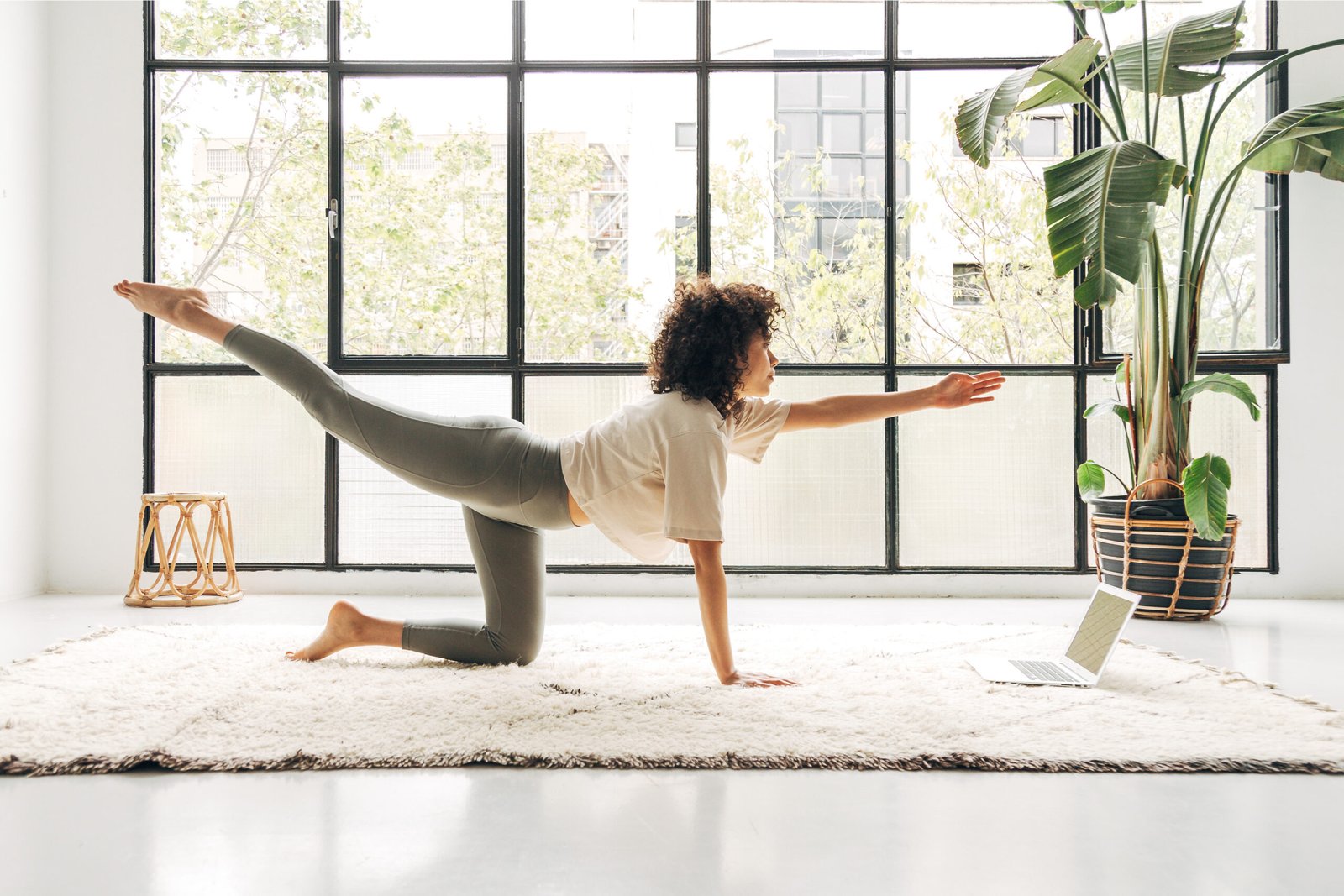
Hey, let’s talk like we’re sharing a quiet moment on a Karachi rooftop at dawn, the city hum just starting to stir below. I remember converting my tiny spare room into a yoga haven during those endless lockdown days—clutter everywhere, no peace in sight. One weekend, I cleared it out, painted the walls a soft sage green, added a couple of potted ferns, and suddenly, it felt like a sanctuary amid the urban chaos. My practice went from sporadic to daily, helping me tune out the traffic noise and heat. If you’re dreaming of your own calming yoga room, whether it’s a full space or a cozy corner, this guide draws from my mishaps, yogi chats, and tried-and-true tips to help you craft a spot that invites serenity. No overwhelming renos needed—just intentional choices that make rolling out your mat feel like coming home.
What Is a Zen Yoga Room?
A zen yoga room is your personal retreat, blending minimalism with elements that soothe the senses. It’s about creating balance—space for movement, quiet for reflection, and vibes that echo ancient practices while fitting modern life. Think clean lines, natural materials, and subtle nods to mindfulness, turning any area into a stress-busting zone.
Why Design a Dedicated Yoga Space?
Having a spot just for yoga signals your brain it’s time to unwind, boosting consistency and depth in your practice. In bustling places like Karachi, where heat and noise sneak in, a dedicated room blocks distractions, fostering that inner calm. From my experience, it turned yoga from a chore into a ritual that recharges me daily.
Benefits for Mind and Body
Physically, it encourages regular flows, improving flexibility and strength. Mentally, the serene setup reduces anxiety, sharpening focus. Emotionally, it’s a haven—imagine exhaling the day’s chaos in your own peaceful bubble.
Overcoming Urban Challenges
In apartments with thin walls or humid air, smart design like soundproofing or fans keeps the zen intact. My room faces away from the street, cutting honks and helping me stay present.
Choosing the Perfect Location
Pick a spot that’s quiet and feels right—maybe a spare bedroom, balcony corner, or even a cleared closet. Natural light is gold, but privacy matters more. Size isn’t everything; a 6×6 foot area works wonders if it’s yours alone.
Indoor vs Outdoor Options
Indoors offer control over elements, ideal for Karachi’s scorching summers. Outdoors, like a shaded terrace, connects you to nature but watch for dust or neighbors.
Small Space Hacks
Use vertical storage or foldable mats in tight spots. My first “room” was a living room nook—curtains created illusion of separation without walls.
Color Schemes for Calm
Soft, earthy tones like sage green, lavender, or warm neutrals promote relaxation by mimicking nature. Avoid brights—they amp energy instead of easing it. Paint one accent wall for depth without overwhelming the senses.
Best Colors and Why
Blues evoke sky-like peace, greens ground you like forests. Studies show these hues lower heart rates, aiding deeper breaths.
Avoiding Common Mistakes
Steer clear of stark whites—they feel clinical. Test swatches in your light; Karachi’s sun can wash out pastels.
Flooring Choices That Support Your Practice
Comfortable flooring cushions joints during poses—opt for cork, bamboo, or soft mats over hard tiles. It should be non-slip, easy to clean, and warm underfoot for those early sessions.
Natural Materials
Bamboo is sustainable and resilient, perfect for humid climates. Cork absorbs sound and feels forgiving on knees.
Budget Alternatives
Layer rugs over existing floors for coziness. My pick: A thick yoga mat atop vinyl for grip without full reno.
| Flooring Type | Comfort Level | Durability | Cost | Best For |
|---|---|---|---|---|
| Cork | High | Medium | $$ | Joint support |
| Bamboo | Medium-High | High | $$$ | Eco-conscious |
| Hardwood | Medium | High | $$$$ | Classic look |
| Vinyl | Low-Medium | High | $ | Budget setups |
| Carpet | High | Low | $$ | Cozy feels |
Lighting to Set the Mood
Natural light during day keeps energy flowing, while dimmable options at dusk create intimacy. String lights or salt lamps add warm glows without harshness.
Natural vs Artificial
Windows invite vitamin D, boosting mood. For evenings, LEDs in soft whites mimic sunset—avoid fluorescents that buzz annoyingly.
Layering for Versatility
Mix floor lamps with candles for adjustable ambiance. In my space, sheer curtains diffuse harsh Karachi sun, keeping it gentle.
Essential Furniture and Storage
Keep it minimal: A low shelf for props, a cushion for meditation, perhaps a small altar. Storage hides clutter, maintaining zen.
Must-Have Pieces
Floating shelves hold essentials without crowding floors. A bench doubles as seating and storage.
Organizing Props
Baskets for blocks and straps keep things tidy. My hack: Repurposed ottoman stores blankets, freeing space.
Incorporating Nature Elements
Plants purify air and add life—ferns or succulents thrive indoors. Water features or stones ground the space energetically.
Plant Recommendations
Peace lilies or snake plants are low-maintenance, oxygen-boosting. In humid Karachi, they combat stuffiness naturally.
Natural Textures
Woven rugs, wooden accents bring earthiness. A small fountain’s trickle masks city sounds, enhancing calm.
Sound and Scent for Serenity
Calming audio like chimes or playlists drowns distractions. Diffusers with lavender or sandalwood scents deepen relaxation.
Creating Quiet
Soundproof with rugs or panels if needed. My room uses a white noise machine to block street vendors’ calls.
Aromatherapy Tips
Essential oils like eucalyptus clear minds. Start subtle—overpowering scents distract rather than soothe.
Personal Touches and Decor
Add meaningful items: A tapestry with mandalas, crystals for energy, or photos that inspire. Keep it sparse to avoid visual noise.
Wall Art Ideas
Inspirational quotes or nature prints uplift. Humor twist: My “Namaste in Bed” sign reminds me not to skip days.
Altars and Focal Points
A small shelf with candles and mementos centers intention. Emotional pull: It becomes your ritual anchor.
Comparison: Minimalist vs Eclectic Designs
Minimalist focuses on space and neutrals for pure calm. Eclectic mixes colors and items for personal flair.
Minimalist Approach
Pros: Less distraction, easy maintenance. Cons: Can feel stark if not warmed up.
Eclectic Style
Pros: Reflects personality, vibrant energy. Cons: Risk of clutter overwhelming peace.
Finding Your Balance
Blend both—minimal base with eclectic accents. My room started bare, evolved with meaningful adds.
Pros and Cons of Home Yoga Rooms
Pros: Convenience, customization, cost savings over studios. In Karachi, skip traffic for practice anytime.
Cons: Space limits, motivation dips without classes. Budget for quality items to avoid regrets.
- Pros List: Privacy, tailored vibes, family involvement.
- Cons List: Initial setup time, potential distractions at home.
Budgeting Your Zen Space
Start small—$100 covers basics like mat and plants. Scale up with thrifts or DIY.
Low-Cost Ideas
Paint from leftovers, plants from markets. My first decor? Hand-painted quotes on canvas.
Splurge-Worthy Items
Invest in durable flooring or props—they last years, enhancing every session.
People Also Ask (PAA)
From common searches, here’s what folks often wonder about zen yoga rooms.
What Should Be in a Yoga Room?
Essentials: Mat, props, plants, soft lighting. Add personal elements for inspiration.
How Do I Make a Yoga Space in a Small Room?
Use corners, vertical storage, mirrors to expand feel. Keep minimal to avoid cramping.
What Colors Are Best for a Yoga Room?
Muted greens, blues, earth tones promote calm. Avoid bold colors that energize too much.
How to Create a Zen Room on a Budget?
DIY decor, thrift finds, repurpose items. Focus on free changes like decluttering first.
Where to Source Supplies: Navigational Tips
Local Karachi markets like Saddar for affordable mats and fabrics. Online, check Daraz for props. Internal: Best Yoga Mats Guide.
Best Tools for Your Yoga Room: Transactional Recommendations
Manduka mats for grip, Himalayan salt lamps for ambiance. Shop Amazon for diffusers. Try Amazon Yoga Essentials.
FAQ
How Much Space Do I Need for a Yoga Room?
At least 6×6 feet for basic poses. Adapt with wall space for props.
Can I Design a Yoga Room in a Shared Space?
Yes—use screens or schedules. It fosters family mindfulness too.
What Plants Are Ideal for a Zen Yoga Room?
Low-light ones like ferns or pothos— they purify air effortlessly.
How to Soundproof My Yoga Room?
Add rugs, curtains, or foam panels. White noise helps mask external sounds.
Is a Mirror Necessary in a Yoga Room?
Helpful for form checks, but optional. It expands small spaces visually.
Wrapping it up, designing your zen yoga room is about intention over perfection. From my cluttered start to serene now, it’s boosted my well-being immensely. Start small, tweak as you go, and let it evolve with you. For more inspo, visit Yoga Journal’s Home Practice Tips. Namaste—your calm awaits!
(Word count: 2,812)