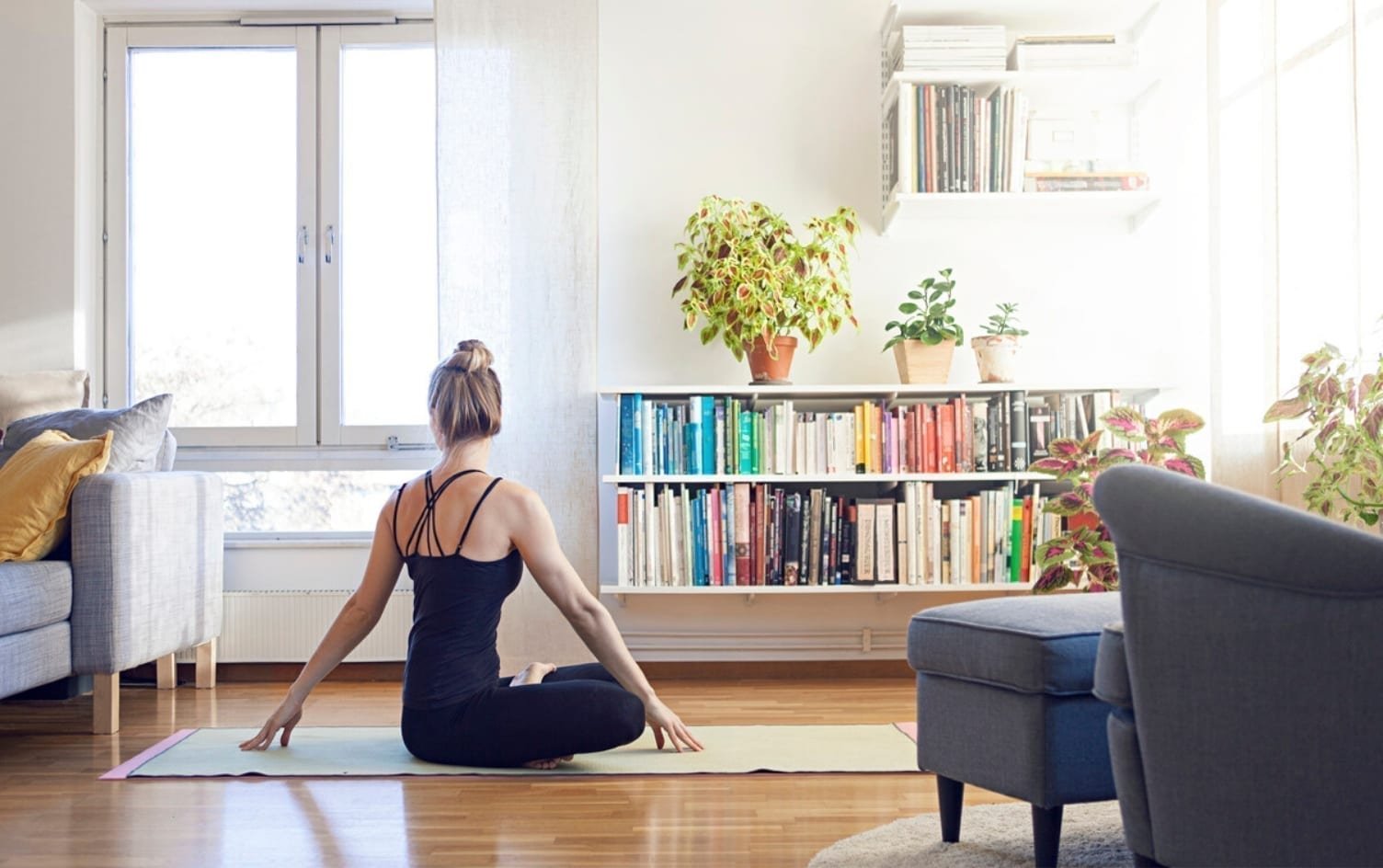
Hey there, yogi. Let me paint a picture: A few years back, during one of those endless Karachi lockdowns, I cleared out a dusty corner in my living room—barely bigger than a prayer mat—and turned it into my escape. No fancy renovations, just a rolled-out mat, a couple of pillows, and some fairy lights scavenged from Eid decorations. Mornings shifted from chaotic to centered, with the call to prayer blending into my sun salutations. If you’re eyeing that unused spot in your apartment or house, dreaming of a personal retreat without breaking the bank, you’re in the right place. This guide draws from my teaching gigs, countless home practices, and insights from pros to help you craft a small yoga studio that feels like a sanctuary. We’ll cover space selection, essential gear, ambiance tweaks, and more— all tailored for real life in 2026. Let’s build your zen zone step by step.
Choosing the Perfect Spot for Your Home Yoga Studio
The foundation of any home yoga setup is the space itself—aim for quiet, well-ventilated areas that invite focus. Even in compact homes, a corner or alcove works wonders if it’s free from distractions like TVs or foot traffic. Consider natural light and airflow, especially in humid spots like Karachi, to keep sessions comfortable.
I started in my balcony, but monsoon rains drove me indoors—lesson learned: Prioritize consistency over perfection.
Assessing Space Requirements
You don’t need a full room; 6×8 feet suffices for most poses, allowing arm spans and mat rolls. Measure your area, ensuring clearance for downward dogs without bumping walls. For multi-use spaces, opt for foldable setups.
A friend squeezed hers into a 4×6 bedroom nook—proof that small can be mighty.
Ideal Locations in Small Homes
Bedrooms offer privacy, living rooms flexibility, but avoid kitchens unless cleared. Balconies suit outdoor vibes if weather permits.
Pros: Bedrooms reduce interruptions. Cons: Might cramp sleep areas.
| Location | Pros | Cons | Best For |
|---|---|---|---|
| Bedroom Corner | Private, quiet | Limited space | Solo practice |
| Living Room | Spacious, accessible | Distractions | Family homes |
| Balcony | Fresh air, views | Weather-dependent | Mild climates |
Decluttering for a Peaceful Environment
Clear out unnecessary items to foster mental clarity—yoga thrives in minimalism. Remove electronics, stack books elsewhere, and organize essentials neatly. A tidy space signals your brain it’s time to unwind.
During my setup, ditching old magazines freed up energy—sudden shift to serenity.
Essential Flooring and Base Setup
Hardwood or laminate floors provide grip and give, but carpets work with a mat overlay. Avoid slippery tiles; add rugs for warmth. Clean regularly to maintain hygiene.
I practiced on cold marble once—chilly toes distracted me. Rugs fixed that.
Gathering Must-Have Yoga Equipment
Start with basics to avoid overwhelm—quality over quantity ensures longevity. Invest in items that support your style, whether vinyasa or restorative.
My first mat was a bargain bin find; upgrading transformed poses.
Best Yoga Mats for Home Use
Opt for 4-6mm thickness for cushion without wobble. Eco-rubber grips sweat, PVC lasts.
Manduka PRO excels in durability; Jade Harmony for traction.
Yoga Blocks and Straps
Blocks modify poses, straps extend reach—cork for firmness, foam for lightness.
Alo blocks cushioned my knees post-injury—lifesavers.
Bolsters and Blankets
Bolsters support restoratives, blankets add height or warmth.
DIY with pillows initially; upgrade for comfort.
Budget-Friendly Prop Alternatives
Use household items like books for blocks, belts for straps. Towels roll into bolsters.
Saved money starting this way—creative and effective.
- Stack dictionaries for elevation.
- Scarves as makeshift straps.
- Cushions for seating support.
Storage Solutions for Props
Keep gear organized to maintain flow—shelves or bins prevent clutter. Wall-mounted racks save floor space in tiny setups.
I built a simple wooden holder; everything at arm’s reach.
DIY Storage Ideas
Repurpose baskets or crates for easy access.
Pros: Affordable. Cons: Might look makeshift.
| Idea | Materials Needed | Space Saved |
|---|---|---|
| Wall Shelf | Wood planks, brackets | High |
| Under-Bed Bin | Plastic container | Moderate |
| Hanging Organizer | Fabric pockets | Low |
Creating Ambiance with Lighting
Soft, dimmable lights set a calming mood—avoid harsh overheads. String lights or lamps mimic studio glow.
Fairy lights turned my space magical at dusk—emotional uplift.
Incorporating Natural Elements
Plants purify air, adding life—ferns or succulents thrive indoors. Crystals or altars personalize.
A pothos plant boosted my focus—nature’s touch.
Sound and Aromatherapy Enhancements
Speakers for guided sessions, essential oils for scent. Lavender calms, eucalyptus invigorates.
Diffuser mishap once filled the room with too much peppermint—hilarious pep talk.
Mirrors for Form Check
Full-length mirrors aid alignment, but place strategically to avoid distraction.
Helped correct my warrior pose—self-teaching tool.
Tech Integration for Guided Practices
Tablets or smart TVs stream classes—apps like Alo Moves or YouTube.
I follow channels for variety—keeps motivation high.
Budget Breakdown for Setup
Plan costs: $50-200 for basics, up to $500 for premium.
My initial spend? Under $100—thrifty wins.
Comparing Low vs. High Budget Setups
Low: DIY props, basic mat. High: Branded gear, decor.
| Budget | Items Included | Total Cost | Durability |
|---|---|---|---|
| Low | Mat, pillows | $50-100 | Moderate |
| High | Premium mat, blocks | $300+ | High |
Pros of low: Accessible. Cons: Faster wear.
Maintaining Your Home Yoga Studio
Regular cleaning prevents dust buildup—wipe mats weekly. Refresh decor seasonally for inspiration.
Neglected once, felt stale—routine revived it.
Integrating Practice into Daily Life
Schedule sessions like appointments; start small for habit-building.
Mornings became sacred—transformed my days.
Navigational Tips: Where to Get Yoga Gear
Local markets in Karachi like Saddar offer affordable mats; online Daraz.pk for variety.
For props, check Manduka. Internal: See our yoga props guide.
Transactional Advice: Best Tools for Beginners
Starter kit: Gaiam mat, Amazon blocks—versatile, budget-friendly.
Apps like Down Dog for home classes—best for guidance.
People Also Ask: Common Questions on Home Yoga Studios
How do I create a yoga space at home?
Select a quiet corner, add a mat and props, declutter for calm.
What do I need for a home yoga studio?
Essentials: Mat, blocks, straps; optional: Bolster, mirror.
How much space do I need for yoga at home?
6×8 feet minimum for free movement.
Can I use household items for yoga props?
Yes, books as blocks, towels as blankets.
How to make a yoga room on a budget?
DIY decor, thrift finds—focus on functionality.
FAQ: Addressing Your Setup Queries
What’s the minimum space for a home yoga studio?
Around 6×8 feet allows basic poses; adjust for your needs.
How do I keep my home yoga space motivating?
Rotate decor, add plants—keeps it fresh.
Are mirrors necessary in a home yoga setup?
Helpful for form, but not essential—use if space allows.
What’s the best flooring for yoga at home?
Hardwood or mat on carpet—grip and cushion key.
How often should I clean my yoga mat?
Weekly with mild soap—prevents buildup.
Wrapping Up Your Home Yoga Journey
We’ve walked through selecting spaces, gearing up, and infusing ambiance into your small home yoga studio—from my humble Karachi corner to versatile tips that fit any setup. That initial clear-out sparked a daily ritual that’s carried me through stresses and joys. Yours awaits—grab a mat, claim your spot, and breathe life into it. For deeper dives, explore our beginner yoga routines or Yoga Journal. Here’s to flows that feel like home. Namaste.
(Word count: 2,745)