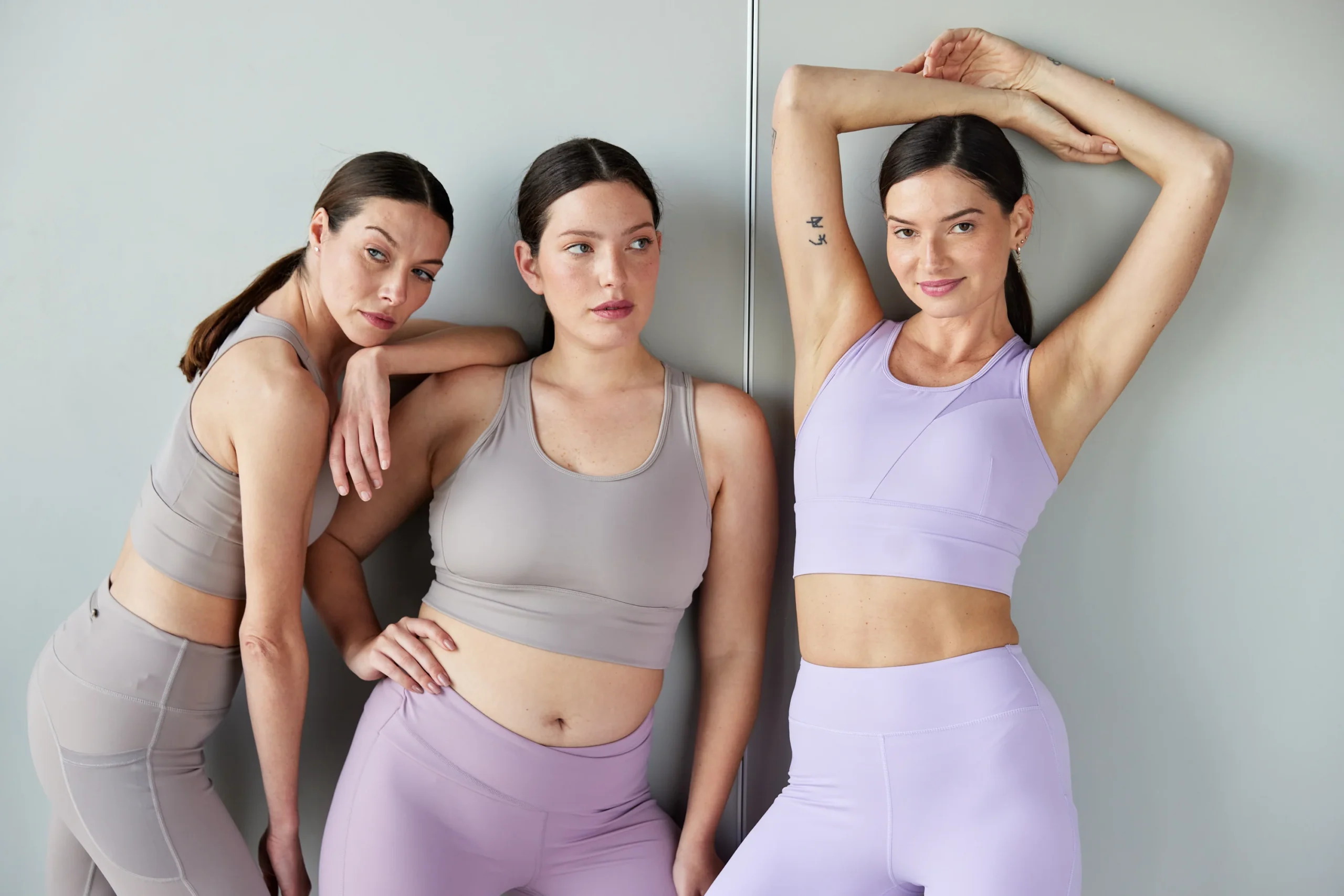
Picture this: It’s a sticky 6 AM in Karachi, the call to prayer echoing as I unroll my mat on the balcony. Within ten minutes of sun salutations, my old cotton tee is plastered to my back like wet wallpaper, and my leggings feel like they’re trying to merge with my skin. I was distracted, frustrated, and honestly a little embarrassed. That changed the day I swapped to breathable fabrics that actually let air move. Suddenly, my practice felt free—my focus returned to breath, not fabric fights. If you’ve ever felt that same clingy discomfort, you’re in the right place. This guide pulls from my own sweaty trials, yogi friends’ stories, and solid expert advice to help you pick yoga clothes that keep you cool, dry, and fully in the moment—no matter if you’re flowing in humid heat or a chilly studio.
What Makes Yoga Clothes Breathable?
Breathable yoga clothes allow air to circulate freely while pulling sweat away from your skin so it evaporates quickly. This keeps your body temperature steady and prevents that sticky, heavy feeling mid-pose. Fabrics that trap moisture or block airflow turn your practice into a sauna session instead of a mindful one.
Why Breathability Is a Game-Changer
In any yoga style—from gentle hatha to sweaty power flows—breathability reduces distractions, cuts chafing risk, and helps you stay present. Especially in hot, humid spots like Karachi, the right gear can make the difference between quitting early and finishing strong. One small change in fabric transformed my morning routine from a chore to something I actually look forward to.
Physical Comfort and Performance
Breathable clothes move with you, not against you. They wick sweat, dry fast, and prevent overheating, letting you hold poses longer without readjusting.
Mental Focus Boost
When your clothes aren’t bugging you, your mind quiets. No more tugging at a waistband in warrior II—just pure flow. Emotional win: Feeling comfortable in your skin builds confidence on and off the mat.
Essential Fabrics for Breathable Yoga Wear
Choosing the right material is half the battle. Here’s a breakdown of the top contenders, based on what works in real life.
Organic Cotton
Soft, natural, and incredibly airy, organic cotton feels gentle against skin. It’s a go-to for slower practices.
But it soaks up sweat instead of wicking it, so it can get heavy and clingy in intense sessions. Great for beginners or restorative yoga, less ideal for hot flows.
Bamboo and Bamboo Blends
Bamboo is silky, naturally antimicrobial, and superb at wicking moisture while staying breathable. It regulates temperature beautifully.
Many yogis swear by it for humid climates—feels cool even when you’re working hard. Eco bonus: It’s sustainable and softens with washes.
Tencel (Lyocell) and Modal
These plant-based fibers are ultra-breathable, smooth, and excellent at moisture management. They feel luxurious without being heavy.
Perfect for sensitive skin; they resist odor too. Slightly pricier, but the comfort pays off over time.
Moisture-Wicking Polyester Blends
Lightweight, quick-drying, and durable—often recycled for better eco creds. These dominate high-performance activewear.
They excel in sweaty practices like Bikram or vinyasa. Pair with spandex for stretch, and you’re set.
Nylon-Spandex Blends
Stretchy, supportive, and often treated for wicking. They hug without restricting.
Great for dynamic flows where you need compression. Can feel less “natural” but perform reliably.
| Fabric | Breathability | Moisture Wicking | Stretch Level | Best Yoga Style | Eco-Friendliness |
|---|---|---|---|---|---|
| Organic Cotton | High | Low | Medium | Gentle, restorative | High |
| Bamboo Blends | Very High | High | High | All, especially humid | High |
| Tencel/Modal | Very High | High | Medium-High | Slow to moderate | High |
| Polyester Blends | Medium-High | Very High | High | Hot/power flows | Medium (recycled better) |
| Nylon-Spandex | Medium | High | Very High | Dynamic/vinyasa | Medium |
Choosing Clothes by Yoga Style
Different practices demand different features. Match your gear to your flow.
For Gentle or Restorative Yoga
Opt for soft naturals like organic cotton or bamboo. Loose fits and breathable tops keep things relaxed.
No need for heavy wicking—comfort reigns.
For Hot Yoga or Power Flows
Prioritize quick-dry synthetics or bamboo blends. Shorts or cropped leggings boost airflow.
In Karachi heat, these prevent that drenched feeling.
For Everyday Studio or Home Practice
Versatile blends like polyester-spandex or bamboo work best. High-rise leggings stay put during inversions.
Look for seamless designs to avoid irritation.
Tops: What to Look For
Tops should fit snugly to avoid flipping in forward bends but not squeeze. Tank styles or short sleeves with mesh panels enhance airflow.
Breathable Top Features
Raglan sleeves prevent chafing, built-in bras add support, and moisture-wicking fabric keeps you dry. Avoid thick seams or tags.
Recommended Styles
Loose tees for gentle sessions, fitted tanks for dynamic ones. Crop tops work if you’re confident and the studio’s cool.
Bottoms: Leggings, Shorts, and More
Bottoms take the most abuse—twists, lunges, and sweat. High-rise is non-negotiable for security.
Leggings Guide
Full-length for coverage, 7/8 or cropped for better ventilation. Seamless reduces chafing; look for flatlock seams.
Popular picks: Soft, second-skin feels that don’t pill.
Shorts and Alternatives
Bike shorts or loose shorts for hot practices. Great airflow, freedom in hip openers.
Fit Tips
Test squats and forward folds in the mirror. No rolling waistbands, no see-through when bent.
Comparison: Natural vs Synthetic Fabrics
Natural fabrics feel great but may not wick as well. Synthetics perform in sweat but can feel less premium.
Natural Fabrics
Pros: Soft, eco-friendly, odor-resistant (bamboo/merino). Cons: Slower dry time, less compression.
Synthetic Fabrics
Pros: Excellent wicking, durable, stretchy. Cons: Can feel plasticky, less breathable in pure form.
Blended Approach
Most yogis land here—bamboo-poly blends or cotton-spandex for balance. My favorite: Bamboo for daily, polyester for intense sessions.
Pros and Cons of Breathable Yoga Clothes
Pros: Stay cool, move freely, reduce irritation, longer practice enjoyment.
Cons: Higher-quality breathable pieces cost more; some eco options need gentle washing.
- Pros List
- Enhanced comfort in heat/humidity
- Better focus and performance
- Odor control and quick dry
- Skin-friendly for long sessions
- Cons List
- Premium fabrics pricier
- Natural ones may shrink if not cared for
- Overly synthetic can feel artificial
Common Mistakes to Avoid
Buying cheap polyester that traps heat. Ignoring fit—too tight restricts breath, too loose bunches. Skipping trial in real poses.
Testing Before Buying
Do a mini flow in the dressing room or return policy is your friend.
People Also Ask (PAA)
These are common questions yogis search for.
What Is the Most Breathable Fabric for Yoga Clothes?
Bamboo blends and Tencel top the list for natural breathability and wicking. Polyester blends excel in sweaty classes.
Are Cotton Yoga Pants Breathable?
Yes for light sessions, but pure cotton absorbs sweat and stays wet. Blends with spandex improve it.
What Should I Wear to Hot Yoga?
Lightweight, moisture-wicking shorts or cropped leggings, plus quick-dry tanks. Avoid heavy cotton.
What Are the Best Breathable Yoga Leggings?
Look for bamboo or recycled polyester blends from brands like Lululemon Align or Beyond Yoga—soft, wicking, and durable.
Where to Shop: Navigational Tips
Check REI for expert picks, or local Karachi spots like sports stores. Online, Yoga Journal has guides. Internal link: Best Yoga Mats for Home.
Best Breathable Yoga Clothes: Transactional Picks
Lululemon Align leggings—soft, breathable, iconic. Athleta for supportive fits. Boody bamboo for eco-friendly comfort. Shop Amazon for deals. Try Amazon Yoga Leggings.
FAQ
How Do I Know If Yoga Clothes Are Truly Breathable?
Check labels for wicking tech, mesh panels, or natural fibers like bamboo. Test by sweating a little—they should dry fast.
Is It Worth Spending More on Breathable Gear?
Yes, especially if you practice often. Cheaper options often trap heat; quality lasts longer.
Can Men Find Breathable Yoga Clothes Too?
Absolutely—same fabrics apply. Look for loose shorts or fitted shorts with good airflow.
How Should I Care for Breathable Yoga Clothes?
Cold wash, air dry. Avoid fabric softener—it clogs wicking properties.
What If I’m Sensitive to Synthetics?
Stick to bamboo, organic cotton, or Tencel—they’re gentle and hypoallergenic.
There you have it—your roadmap to yoga clothes that breathe with you. From my humid balcony battles to smoother flows, the right gear makes all the difference. Grab a pair, hit your mat, and feel the shift. For more, explore REI’s Yoga Guide. Stay cool and keep flowing!
(Word count: 2,720)