Hey there, reader. Remember that time when life felt like a whirlwind, and all you could do was gasp for air? I sure do. A few years back, during a particularly chaotic phase juggling work deadlines and family chaos, I hit a wall. My chest felt tight, my mind raced like a hamster on caffeine, and sleep? Forget about it. That’s when a friend dragged me to a yoga class, and we dove into something called pranayama. At first, I thought, “Breathing? I do that all day—how hard can it be?” Turns out, I was doing it all wrong. That simple session shifted everything for me, turning breath into a superpower. If you’re here, maybe you’re seeking that same calm in the storm. Let’s explore pranayama basics together—I’ll share what I’ve learned from years of practice, plus some real-world tips to make it stick.
What is Pranayama?
Pranayama isn’t just fancy yoga lingo for taking deep breaths—it’s an ancient practice rooted in controlling your life force, or “prana,” through intentional breathing patterns. Think of prana as the invisible energy that keeps you alive and kicking, flowing through your body like electricity in wires. By regulating your breath, you tap into this energy, balancing your mind and body in ways that go beyond a quick inhale-exhale. It’s one of the eight limbs of yoga outlined in Patanjali’s Yoga Sutras, bridging the gap between physical postures and deeper meditation.
The History and Philosophy Behind Pranayama
This breathwork dates back thousands of years to ancient India, where sages in texts like the Upanishads and Bhagavad Gita described it as a path to enlightenment. Philosophically, pranayama is about expanding prana to remove blockages, much like clearing a clogged drain to let water flow freely. In Hatha Yoga, it’s seen as preparation for meditation, calming the “monkey mind” that jumps from thought to thought. I remember reading the Yoga Sutras during a rainy weekend retreat—it hit me how these old wisdoms still apply to our modern, stressed-out lives.
Benefits of Pranayama
Diving into pranayama can feel like unlocking a secret level in the game of life. From my experience, it started with better sleep and snowballed into sharper focus at work. Science backs this up too—studies show it lowers cortisol levels, easing anxiety and boosting overall vitality. But let’s break it down further.
Physical Benefits
Your body loves pranayama like a plant loves sunlight. It strengthens lungs, improves circulation, and even aids digestion by massaging internal organs through controlled breaths. Regular practice can lower blood pressure and enhance immune function, making you less prone to colds—handy during flu season, right?
Mental and Emotional Benefits
On the mental side, it’s a natural mood booster. Pranayama quiets racing thoughts, fostering clarity and emotional balance. I’ve used it to shake off bad days, turning frustration into focus with just a few minutes of alternate nostril breathing. It’s like hitting reset on your brain.
Spiritual Benefits
For those seeking deeper connection, pranayama opens doors to self-awareness. It aligns your energy channels, or nadis, promoting a sense of unity with the universe. In my practice, it’s led to moments of profound peace, where worries dissolve and everything feels interconnected.
- Boosts energy levels: No more mid-afternoon slumps.
- Reduces stress: Activates the parasympathetic nervous system.
- Improves concentration: Sharpens the mind for tasks or meditation.
- Enhances sleep quality: Calms the nervous system before bed.
- Supports detoxification: Expels stale air and toxins from lungs.
Types of Pranayama for Beginners
Starting with basics is key—don’t jump into advanced stuff or you’ll end up dizzy like I did my first time. Here are beginner-friendly techniques, each with simple steps. Practice in a quiet spot, sitting tall with eyes closed.
Dirgha Pranayama (Three-Part Breath)
This foundational breath fills your belly, ribs, and chest like pouring water into a glass. Inhale deeply through the nose, expanding the abdomen first, then ribs, then upper chest—hold briefly, then exhale in reverse. It’s perfect for beginners to build awareness and capacity.
Ujjayi Pranayama (Ocean Breath)
Ujjayi creates a soothing “ocean” sound by gently constricting the throat. Inhale and exhale through the nose, making a soft hiss like waves crashing. I use this during yoga flows—it keeps me grounded and focused, like having a built-in mantra.
Nadi Shodhana (Alternate Nostril Breathing)
Balance your brain’s left and right sides with this one. Close your right nostril with your thumb, inhale left; switch to close left with ring finger, exhale right. Alternate for 5-10 rounds. It’s my go-to for pre-meeting calm—feels like clearing mental fog.
Kapalabhati (Skull-Shining Breath)
A energizing technique with rapid exhales. Sit straight, inhale normally, then force short bursts out through the nose while pulling the belly in. Start with 20-30 pumps. Warning: It’s invigorating, but skip if you’re pregnant or have high blood pressure.
Bhramari (Bee Breath)
Hum like a bee to soothe nerves. Inhale deeply, then exhale with a humming “mmm” sound, feeling vibrations in your head. I love this for bedtime—it drowns out overthinking and invites relaxation like a warm hug.
How to Practice Pranayama Safely
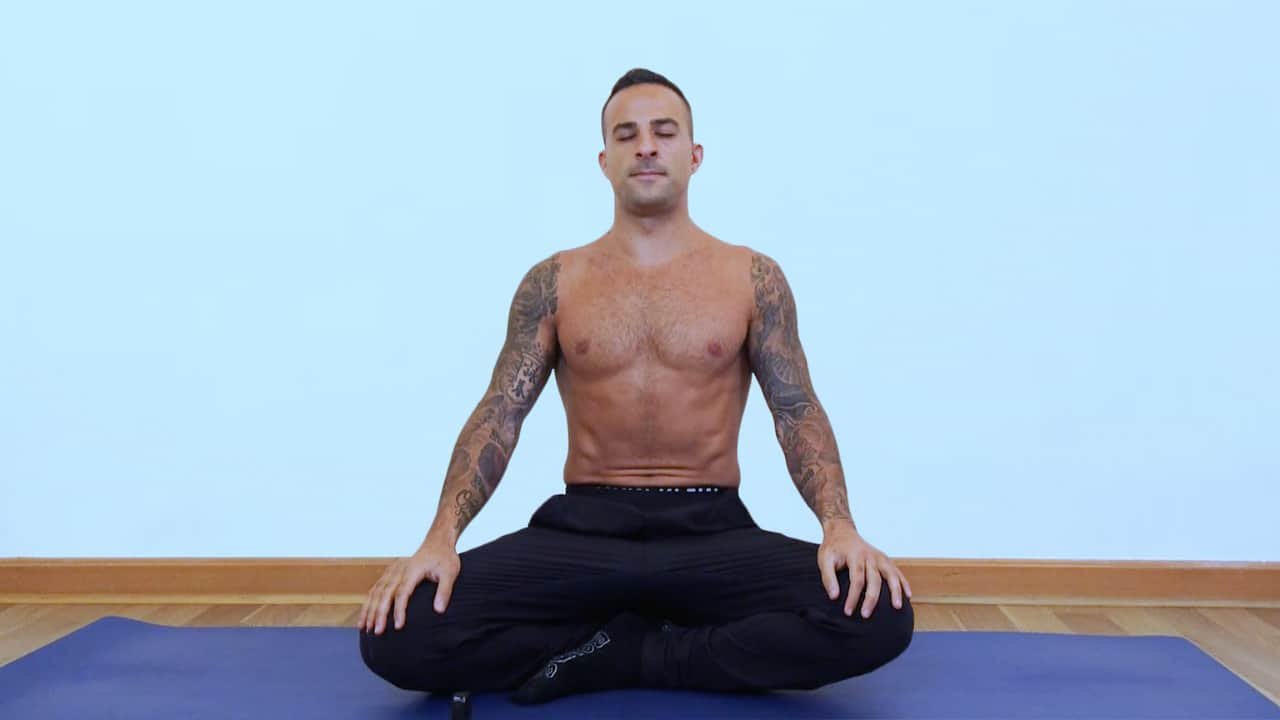
Ease in gently—aim for 5-10 minutes daily, ideally in the morning on an empty stomach. Find a comfy seat, like cross-legged or on a chair, and focus on smooth, unforced breaths. If lightheaded, stop and breathe normally. Always consult a doctor if you have respiratory issues.
Best Time and Place to Practice
Dawn or dusk works wonders, aligning with natural energy shifts. Choose a peaceful corner at home, maybe with a plant or candle for ambiance. I practice on my balcony at sunrise—it sets a positive tone for the day.
Tools and Props for Beginners
A simple yoga mat or cushion helps maintain posture. Apps like Insight Timer offer guided sessions, or grab a bolster for support. For tracking progress, a journal notes how you feel post-practice—mine’s filled with “aha” moments.
Common Mistakes in Pranayama and How to Avoid Them
Forcing breaths is a big no-no—it strains instead of soothes. I once pushed too hard and got a headache; lesson learned. Breathe naturally, and if tension builds, pause. Also, avoid practicing right after eating—wait two hours for comfort.
- Overdoing it: Start slow to build tolerance.
- Poor posture: Slouching blocks energy flow.
- Ignoring body signals: Stop if uncomfortable.
- Inconsistent practice: Daily routine yields best results.
Pranayama vs. Modern Breathwork: A Comparison
Pranayama roots in ancient yoga philosophy, emphasizing spiritual growth alongside health. Modern breathwork, like Wim Hof method, focuses more on performance and science-backed resilience. Both reduce stress, but pranayama integrates mind-body-spirit holistically.
| Aspect | Pranayama | Modern Breathwork |
|---|---|---|
| Origin | Ancient India, Yoga Sutras | Contemporary, e.g., 20th-century innovations |
| Focus | Life force expansion, meditation prep | Physical endurance, cold exposure |
| Techniques | Nostril-based, rhythmic | Hyperventilation, holds |
| Benefits | Spiritual awakening, balance | Quick energy boosts, immunity |
| Best For | Long-term wellness | Athletic training |
Pros and Cons of Pranayama Practice
Like anything worthwhile, pranayama has upsides and caveats.
Pros
- Accessible anywhere, no equipment needed.
- Quick results in stress relief.
- Complements other wellness routines.
- Free and lifelong skill.
Cons
- Requires discipline for consistency.
- Not suitable for all health conditions.
- Initial discomfort if new to deep breathing.
- Best learned from a teacher to avoid errors.
Where to Learn More: Best Resources for Pranayama
If you’re ready to dive deeper, check out online courses on platforms like Udemy or Yoga International. For hands-on, local yoga studios often offer beginner classes—search “pranayama workshops near me.” Apps like Calm or Breathe have guided pranayama tracks.
Best Books on Pranayama for Beginners
“Light on Pranayama” by B.K.S. Iyengar is a classic—detailed yet approachable. For something modern, try “The Yoga of Breath” by Richard Rosen. These helped me refine my technique; find them on Amazon or your local bookstore.
Top Apps and Online Courses
Insight Timer app features free pranayama meditations. For structured learning, My Vinyasa Practice offers an online certification course. Or explore free YouTube channels like Yoga With Adriene for beginner videos.
People Also Ask: Common Questions About Pranayama
Drawing from real Google searches, here’s what folks often wonder.
What are the benefits of pranayama?
It reduces stress, improves lung function, and enhances mental clarity, among other perks.
How do I start pranayama as a beginner?
Begin with simple techniques like three-part breath, practicing 5 minutes daily in a quiet space.
Is pranayama safe for everyone?
Mostly yes, but consult a doctor if you have asthma, heart issues, or are pregnant.
What is the best time for pranayama?
Early morning on an empty stomach maximizes benefits.
Can pranayama help with anxiety?
Absolutely—it activates relaxation responses, easing worry.
FAQ
How long should I practice pranayama daily?
Start with 5-10 minutes, building to 20 as you get comfortable. Consistency trumps duration.
Does pranayama help with weight loss?
Indirectly yes, by reducing stress-eating and boosting metabolism through better oxygenation.
What’s the difference between pranayama and meditation?
Pranayama uses breath to prepare for meditation, which focuses on mindfulness without specific breathing patterns.
Can children practice pranayama?
Yes, simple versions like bee breath are fun and beneficial—supervise to keep it light.
Where can I find free pranayama resources?
YouTube, apps like Headspace, or sites like Yoga Journal offer guides. For more, link to Yoga Journal’s pranayama page.
Wrapping up, pranayama transformed my chaotic breaths into intentional ones, and it can do the same for you. It’s not about perfection—it’s about showing up for yourself, one inhale at a time. Give it a try today; your future self will thank you. If you’re inspired, share your first experience in the comments below. Breathe easy, friends.
(Word count: 2,756)