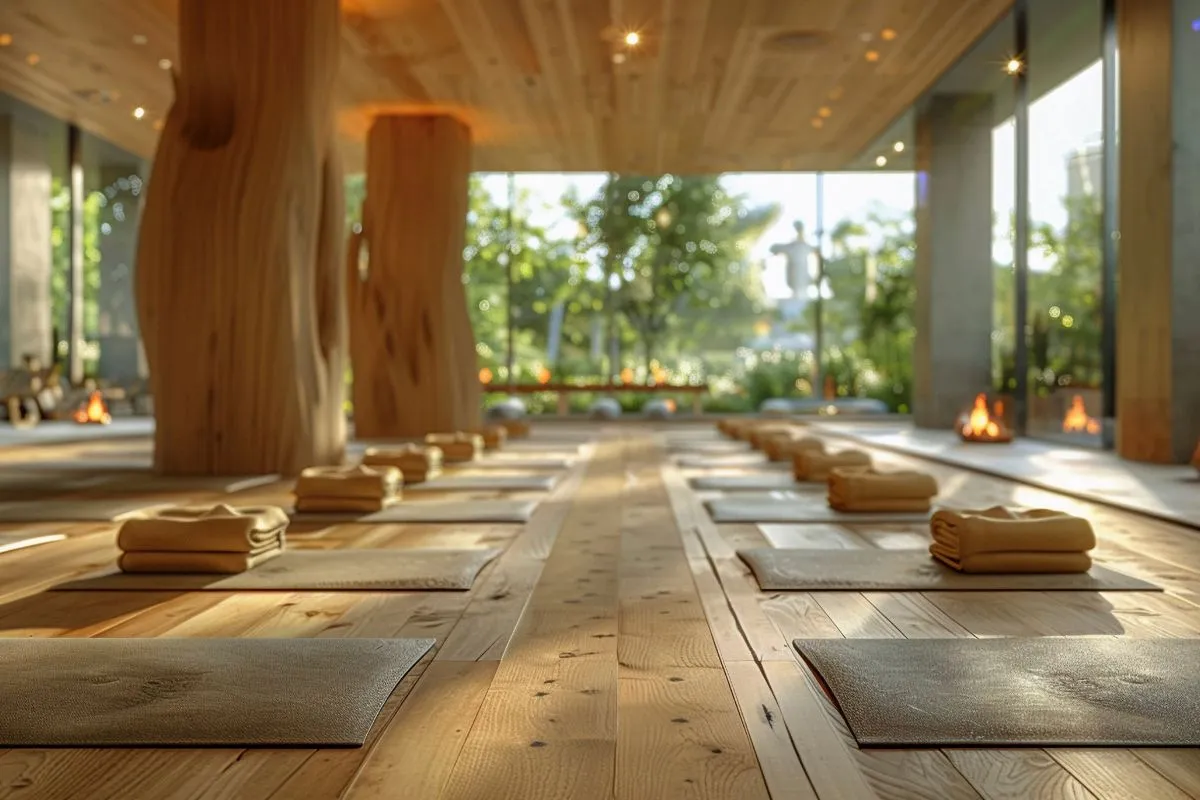
A few years ago, I decided to turn my spare bedroom into a dedicated yoga space after years of rolling out my mat in the living room amid kids’ toys and laundry piles. The first time I practiced in that quiet, intentional room, everything shifted—I could actually hear my breath, feel the stretch without distractions, and leave class feeling truly restored instead of frazzled. Creating a peaceful yoga studio, whether at home or for teaching, isn’t about perfection or expense; it’s about crafting an environment that invites calm, supports your practice, and makes you want to show up day after day. If you’re dreaming of your own serene sanctuary, here are ten beautiful ideas drawn from real experiences, current trends, and what truly works to foster peace.
What Makes a Yoga Studio Peaceful?
A peaceful yoga studio feels like a deep exhale—soft, uncluttered, and nurturing, with elements that calm the nervous system rather than stimulate it. Natural materials, gentle lighting, and thoughtful layout help quiet the mind so you can focus inward. The goal is a space that supports mindfulness, reduces stress, and encourages consistent practice without overwhelming the senses.
The Importance of a Dedicated Peaceful Yoga Space
Having a set spot removes barriers to showing up— no more excuses about clearing the floor or dealing with interruptions. It signals to your brain that this is sacred time, boosting motivation and deepening your connection to the practice. In my own setup, that dedicated corner became my daily reset button, especially during tough weeks.
1. Zen Garden-Inspired Studio
Draw from Japanese zen gardens for ultimate tranquility—use clean lines, gravel or sand patterns, raked for meditative effect, and minimal decor like a single bonsai or rock. Soft neutral tones and low seating keep the focus on breath and movement. This style promotes grounding and simplicity, perfect for yin or restorative classes.
Key Elements for Zen Garden Vibes
Incorporate smooth stones, a small water feature for gentle sound, and bamboo accents. Keep walls bare or with subtle textures to avoid visual noise.
- Raked sand or pebble floor sections
- Low wooden platforms for props
- Single focal plant or sculpture
- Dim, warm ambient lighting
This serene zen-inspired setup with raked patterns and minimal greenery creates instant calm.
2. Bohemian Chic Retreat
Layer textures like macramé hangings, woven rugs, and colorful yet muted cushions for a free-spirited, cozy feel. Earthy tones mixed with soft pastels add warmth without chaos. It’s inviting and personal, great for community classes where connection matters.
Bohemian Touches That Work
Hang dreamcatchers or mandalas sparingly, add floor pillows in natural fabrics, and use sheer curtains to diffuse light. The eclectic vibe feels lived-in and welcoming.
- Macramé wall hangings
- Layered textiles and rugs
- Potted plants in woven baskets
- Low lighting with string lights
Bohemian elements like woven details and soft cushions bring cozy, artistic energy.
3. Minimalist Haven
Embrace less-is-more with white or light gray walls, simple wood flooring, and only essential props visible. Clean lines and open space allow the mind to settle—no clutter means no distractions. Ideal for those who crave clarity in practice.
Minimalist Must-Haves
Choose multifunctional storage like built-in shelves hidden behind sliding panels. Stick to a neutral palette and add one or two meaningful items, like a small altar.
- Sleek mirrors for alignment checks
- Hidden storage for mats and blocks
- Soft, diffused natural light
- Neutral, calming colors
A clean, airy minimalist design keeps the focus purely on your practice.
4. Nature-Inspired Indoor Oasis
Bring the outdoors in with large windows, living green walls, preserved moss, or abundant plants to boost oxygen and serenity. Earthy materials like reclaimed wood and stone flooring ground the space. It’s rejuvenating, especially in urban settings.
Incorporating Biophilic Design
Position plants strategically for air purification—snake plants or peace lilies thrive indoors. Add a small fountain for white noise that mimics nature.
- Vertical gardens or moss walls
- Wooden beams or accents
- Large windows or skylights
- Natural stone elements
Lush greenery and natural light make this space feel like a forest retreat.
5. Scandinavian Simplicity
Light woods, pale colors, and functional design create bright, airy calm. Hygge influences add cozy blankets and candles for warmth. It’s understated elegance that feels modern yet timeless.
Scandinavian Essentials
Use birch or pine for shelves, add sheepskin rugs for comfort, and keep decor sparse but intentional.
- Light wood flooring
- Soft textiles in neutrals
- Cozy throws and cushions
- Warm, indirect lighting
Scandinavian style offers bright, peaceful simplicity with subtle coziness.
6. Coastal Serenity Studio
Soft blues, whites, and sandy beiges evoke beach calm—think driftwood shelves, seashell accents, and sheer drapes. Gentle wave sounds or ocean views enhance relaxation. Perfect for restorative flows.
Coastal Details
Incorporate nautical ropes as decor, add salt lamps for soft glow, and use linen fabrics.
- Beachy color palette
- Natural fiber rugs
- Seashell or coral accents
- Breezy curtains
Coastal vibes with soft blues and natural textures bring seaside peace indoors.
7. Warm Earth Tone Sanctuary
Terracotta, sage green, and deep browns create nurturing warmth. Textured walls, clay pots, and woven elements feel organic and grounding. Great for evening practices.
Earth Tone Tips
Layer rugs in varying shades, add terracotta planters, and use dimmable sconces.
- Warm neutral walls
- Textured natural materials
- Clay and ceramic decor
- Soft, ambient lighting
Earthy tones foster a grounded, nurturing atmosphere.
8. Urban Loft with Industrial Calm
Exposed brick, concrete, and metal softened by plants and textiles balance edgy with serene. High ceilings and large windows add openness. Suits city yogis wanting edge without chaos.
Industrial Softening
Add large potted figs, wool rugs, and pendant lights with warm bulbs.
- Exposed materials
- Greenery to soften edges
- High ceilings for airiness
- Modern, clean lines
Industrial elements softened by plants create urban tranquility.
9. Candlelit Intimate Space
Low lighting from candles, salt lamps, and fairy lights sets a meditative mood. Darker walls absorb sound for quiet focus. Ideal for yin, sound baths, or late-night sessions.
Candle Setup Safety
Use LED candles for safety, cluster them on low tables, and add mirrors to amplify glow.
- Multiple light sources
- Warm color temperature
- Sound-absorbing elements
- Cozy seating
Candlelight creates an intimate, deeply relaxing environment.
10. Multi-Functional Wellness Haven
Blend yoga with meditation or reading—include a cozy corner with books, essential oils, and journaling space. Versatile layout adapts to solo or small group use.
Multi-Use Features
Incorporate foldable screens for zoning, wall-mounted shelves, and comfy floor seating.
- Zoned areas
- Storage solutions
- Wellness add-ons like diffusers
- Flexible furniture
A versatile space supports broader wellness routines seamlessly.
Comparison of Yoga Studio Styles
Different styles suit various personalities and spaces—here’s a quick breakdown.
| Style | Best For | Key Features | Vibe |
|---|---|---|---|
| Zen Garden | Deep meditation | Minimalism, natural elements | Grounded, serene |
| Bohemian Chic | Creative souls | Textures, layers | Warm, eclectic |
| Minimalist | Clarity seekers | Clean lines, neutrals | Focused, peaceful |
| Nature Oasis | Urban escape | Plants, light | Rejuvenating |
| Scandinavian | Bright lovers | Light woods, hygge | Cozy simplicity |
Pros and Cons of Creating a Home Yoga Studio
Pros
- Personalized to your needs.
- No commute—practice anytime.
- Cost-effective long-term.
- Builds consistent habit.
Cons
- Initial setup investment.
- Space limitations in small homes.
- Maintenance of peaceful vibe.
- Distractions if not separated.
Where to Get Inspiration and Supplies
Pinterest boards and Houzz galleries offer endless visuals—search “peaceful yoga studio” for real setups. For supplies, check IKEA for affordable wood pieces, Etsy for handmade decor, or West Elm for quality textiles. Plants from local nurseries add life instantly.
Best Resources
- Houzz for pro designs.
- Pinterest for mood boards.
- Local eco-stores for sustainable items.
People Also Ask: Common Questions About Yoga Studio Design
How do I make my yoga space peaceful?
Focus on decluttering, soft lighting, natural elements, and calming colors to reduce sensory overload.
What flooring is best for a yoga studio?
Cork or rubber mats over hardwood provide grip, cushioning, and eco-friendliness.
How much space do I need for a home yoga studio?
At least 6×8 feet for solo practice; 10×12 or more for small groups.
Can I create a yoga studio in a small room?
Yes—use mirrors to expand visually, wall storage, and multifunctional pieces.
What colors promote calm in a yoga space?
Soft neutrals, sage greens, pale blues, and warm beiges work best.
FAQ
How can I make my yoga studio feel bigger?
Add large mirrors, light colors, and vertical storage to create illusion of space.
What’s the best lighting for a peaceful yoga practice?
Dim, warm LED lights or natural daylight with diffusers—avoid harsh fluorescents.
Should I add music or sound in my studio?
Gentle ambient sounds or silence; use a small speaker for optional playlists.
How do I incorporate plants without overcrowding?
Choose low-maintenance varieties and group them thoughtfully for air quality.
Where can I find affordable yoga studio decor?
Thrift stores, IKEA, or online marketplaces like Etsy for unique, budget-friendly pieces.
Creating that peaceful yoga space changed my practice from obligation to joy—yours can too. Start small, add what resonates, and let it evolve. Which of these ideas speaks to you most? Share below—I’d love to hear your plans or tweaks.
(Word count: 2,734)